Is Panama Safe? Crime, Earthquakes and Expat Perspectives
By Samuel Chang • 2 minute read
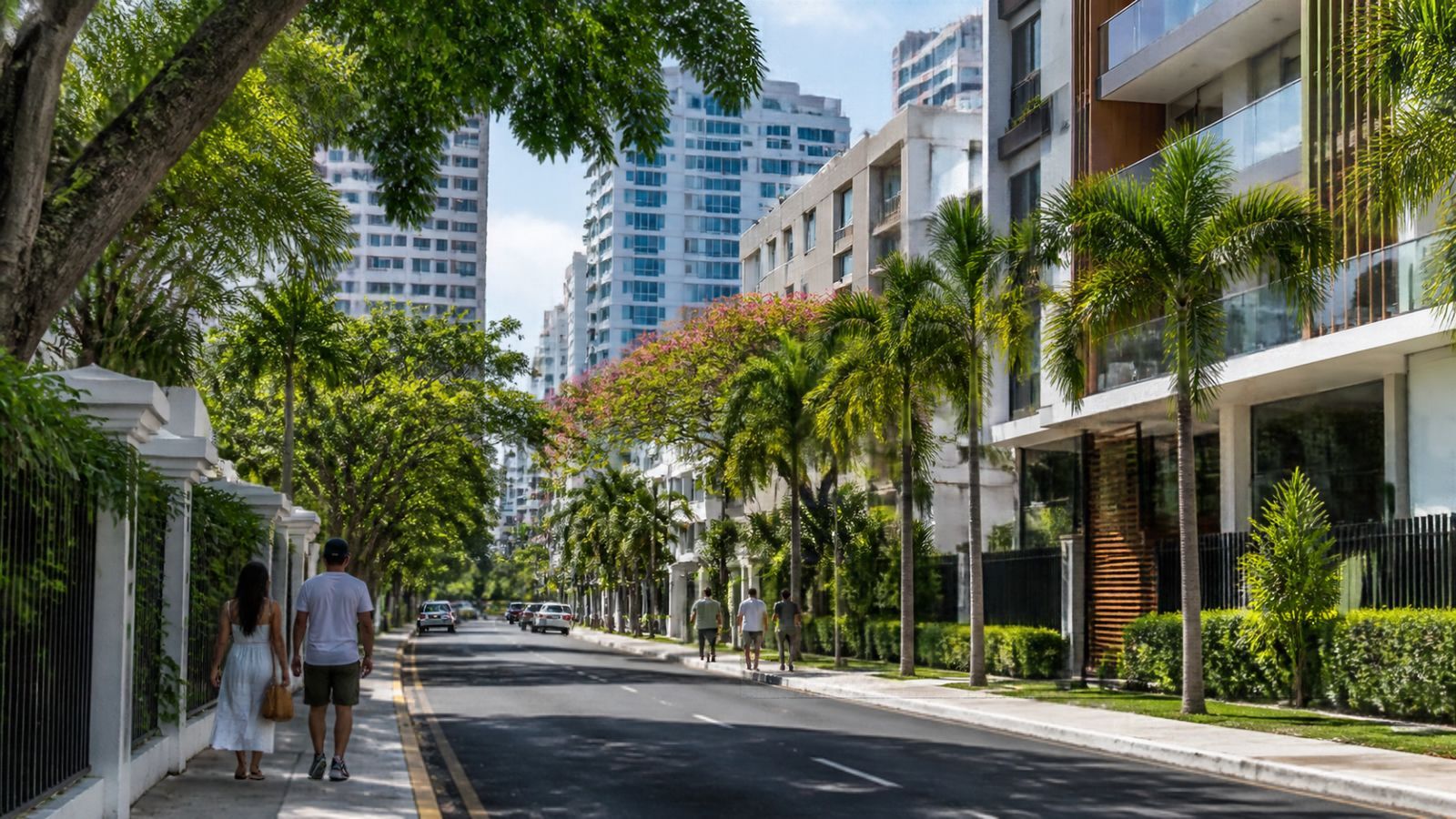
Panama’s safety cannot be reduced to a countrywide yes or no. The relevant questions are where you will live, how you will travel, and which risks you are assessing. Crime, earthquake preparedness, and conditions in the Darién border region require different evidence; positive expat experiences can add context, but they do not replace that assessment.
|
Read the location-specific warning
The U.S. State Department’s Panama advisory recommends increased caution because of crime and identifies particular places where it advises against travel. Its higher-risk designation is geographically specific, including parts of Darién and the Mosquito Gulf.
The advisory also describes theft, residential break-ins, and the possibility of demonstrations disrupting transportation. Those are distinct issues: a neighborhood can feel comfortable day to day while a road closure still disrupts a trip.
Use the current advisory to identify restrictions and exposure relevant to your route. It is a government travel assessment, not a numerical forecast of what will happen to an individual resident. Review it again before travel because advice can change.
What public expat discussions can—and cannot—tell you
In a public discussion about whether Panama suits expats, one contributor described living in Volcán and enjoying it, while noting that social options felt limited without Spanish. Another characterized safety positively. These comments illustrate personal perceptions and the importance of matching a place to your routine.
They are anonymous, self-reported accounts. Residence, identity, and individual experience have not been independently verified. They do not support a claim that all expats feel safe or that a specific district has a low crime rate.
A separate discussion of daily life after moving raised practical issues around rain, local roads, and flooding. Its value is in prompting better questions during a scouting visit—not in proving the frequency or severity of flooding at a property.
Use forums to ask about a particular walking route, transport arrangement, or building-management practice. Then verify factual claims through the relevant authority, property documentation, or a direct inspection. Do not rely on an anonymous comment for legal, insurance, or engineering conclusions.
Evaluate the home and the routine
A useful assessment begins at the address level. On a preliminary visit, test the journey you expect to make to groceries, healthcare, school, or work. Consider the time of day and the transport you would actually use.
Ask the property manager how access, visitors, deliveries, maintenance, and emergency communication are handled. Review what the lease says about responsibilities. If a security feature influences your decision, establish that it exists and works rather than relying on the listing.
Avoid treating a popular expat district as a guarantee. A recommendation based on someone else’s budget, mobility, or tolerance for driving may not suit you.
Earthquakes call for preparation, not reassurance by anecdote
In its August 2, 2026 seismic-preparedness notice, SINAPROC reported recent earthquakes in several parts of the country and border areas, citing preliminary University of Panama Geosciences Institute reports. It stated that no significant damage or affected people had been reported at that point and emphasized that earthquakes cannot be predicted.
The absence of damage in those events is not a guarantee about future earthquakes. Nor does a person’s experience of never feeling a tremor establish that their building is resilient.
SINAPROC recommends identifying safe places, practicing a household emergency plan, and keeping emergency supplies. Ask the building administration about evacuation arrangements and any relevant inspection documentation. Obtain professional assessment where structural condition is a concern; an immigration lawyer or expat forum cannot certify a building’s safety.
Separate the Darién narrative from your own exposure
Darién is not interchangeable with Panama City, Boquete, or every other place a newcomer might consider. A warning about a border area should be understood in its actual geographic scope.
At the same time, geographic distance is not evidence that a national event has no effects elsewhere. Evaluate specific impacts—such as travel disruption—through current information, rather than claiming the whole country is either unaffected or unsafe.
Accounts of migration crossings do not, on their own, establish a causal link between migrants and crime in a residential neighborhood. No such link is asserted here. The questions are where the risk is documented, what conduct or conditions the evidence describes, and how those findings relate to your plans.
| Risk or concern | Useful verification |
|---|---|
Crime and travel |
Current official advisory and the exact route or neighborhood. |
Property security |
Direct inspection, access procedures, and lease responsibilities. |
Earthquakes |
SINAPROC preparedness guidance and relevant building information. |
Public expat comments |
Use as leads for questions; verify factual claims independently. |
Connect the safety assessment to a realistic relocation plan
Make a shortlist based on the daily life you intend to lead, then examine immigration eligibility and the timing of a move. Legal Solutions Panama’s residency services can address the legal route; housing inspection, insurance, and safety assessments need their own evidence.
If you are ready to explore relocation, request a residency consultation with your nationality, intended length of stay, family circumstances, and work plans. A clear immigration route supports planning, while safety remains a location-specific decision informed by current conditions.
Frequently Asked Questions
Is all of Darién subject to the same warning?
Read the precise boundaries and wording of the current advisory. A warning referring to a defined border area should not be extended to every community or to the entire country.
Can expat testimonials establish that a neighborhood is safe?
They can help identify questions to investigate. They do not establish a representative crime rate or confirm the condition of a particular property.
Does a recent earthquake without major damage mean a building is safe?
No. A particular event’s outcome does not establish a building’s structural condition. Review emergency arrangements and obtain a qualified assessment where that condition is a concern.
¿Necesitas una solución legal? Respondemos de manera inmediata.
Nuestros especialistas están listos para analizar su caso en menos de veinticuatro horas.
CONTACTA AHORA DE FORMA GRATUITA
Advises companies and investors on setting up companies, corporate structures and bank accounts in Panama.
View LinkedIn profileRelated Articles

Renewing Your US Passport in Panama: Do You Need to Update Your Driver's License...

Panama Permanent Residency: What Happens After Your Temporary Visa Expires?

Panama Corporation vs. US LLC: A Decision Guide for American Business Owners

Panama’s New Retiree Discounts: What Law 562 Changes and When It Takes Effect
Family Reunification Visa in Panama: Bringing Your Spouse, Children, or Parents

How to Avoid Real Estate Scams in Panama When Renting or Buying
Boquete vs Coronado vs Panama City: Where to Retire in Panama

Do You Need a Panama Bank Account for Your Residency Visa?

Panama Qualified Investor Visa: Requirements, Costs and Investment Options